
Try These Popular Thai Sweets at Ocean Rhyme


Key Highlights
• Thai desserts are defined by their balance of sweet, salty, and sour flavors, setting them apart from Western sweets that focus primarily on sweetness.
• Coconut milk is the foundation of most traditional Thai desserts, providing richness while letting tropical fruits, glutinous rice, and natural colorings shine.
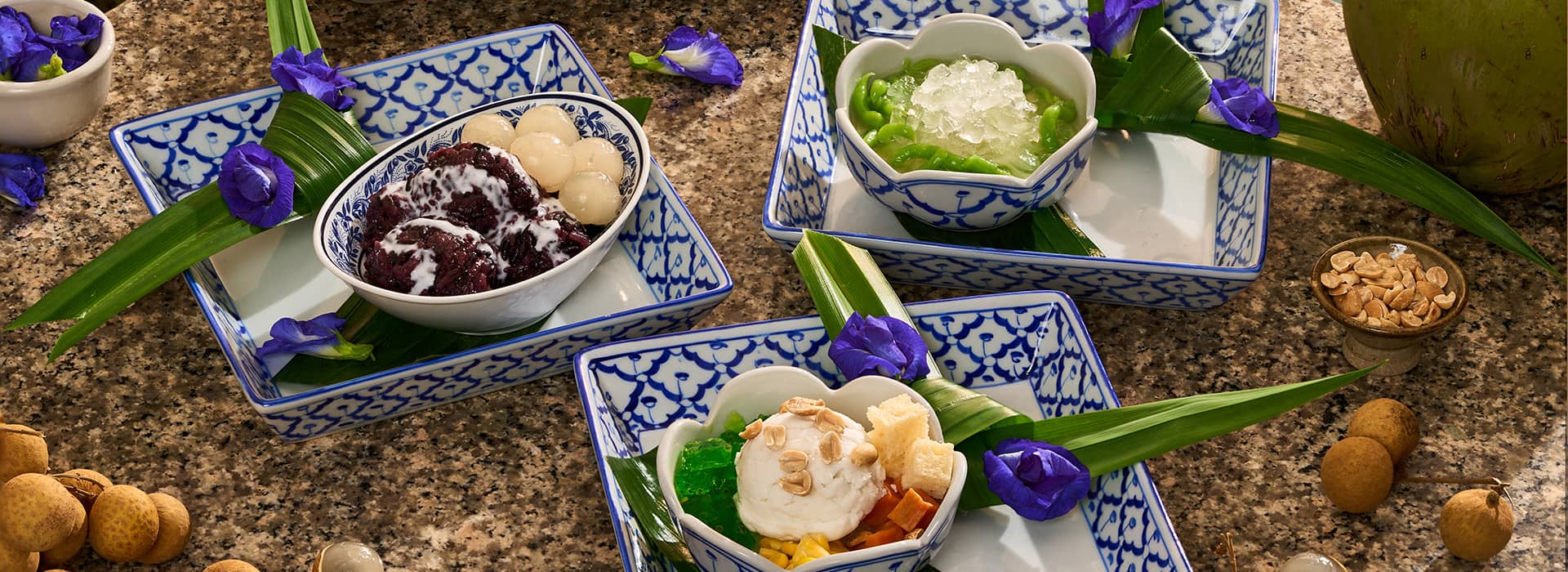
• Five must-try desserts include Khao Niao Mamuang (mango sticky rice), Bua Loy (floating lotus dumplings), Banana Fritters (Kluai Kaek), Coconut Ice Cream, and Black Sticky Rice with Longan.
• Ocean Rhyme has honored authentic Thai dessert preparation methods since 1986, with each sweet made using traditional recipes passed down through generations.
Table of Contents
1. Try These Popular Thai Sweets at Ocean Rhyme
2. Khao Niao Mamuang (Mango Sticky Rice)
3. Bua Loy (Floating Lotus)
4. Banana Fritters (Kluai Kaek)
5. Coconut Ice Cream
6. Black Sticky Rice with Longan
7. The Art of Thai Dessert Balance
8. Experience Popular Thai Sweet at Ocean Rhyme
Thai desserts master the art of balance, combining sweet, salty, and sour flavors in ways Western sweets rarely attempt.
These popular Thai desserts emerged from centuries of culinary evolution, crafted with tropical ingredients like coconut milk, fresh fruits, and glutinous rice that grow in abundance in Thailand's climate. Beyond mere sweets, each dessert has an artistry to it, with intricate presentations that are often colorful and bright.
Understanding Thailand's sweet traditions means appreciating how traditional Thai desserts balance textures, temperatures, and flavors that complement rather than overwhelm the palate.
Khao Niao Mamuang (Mango Sticky Rice)
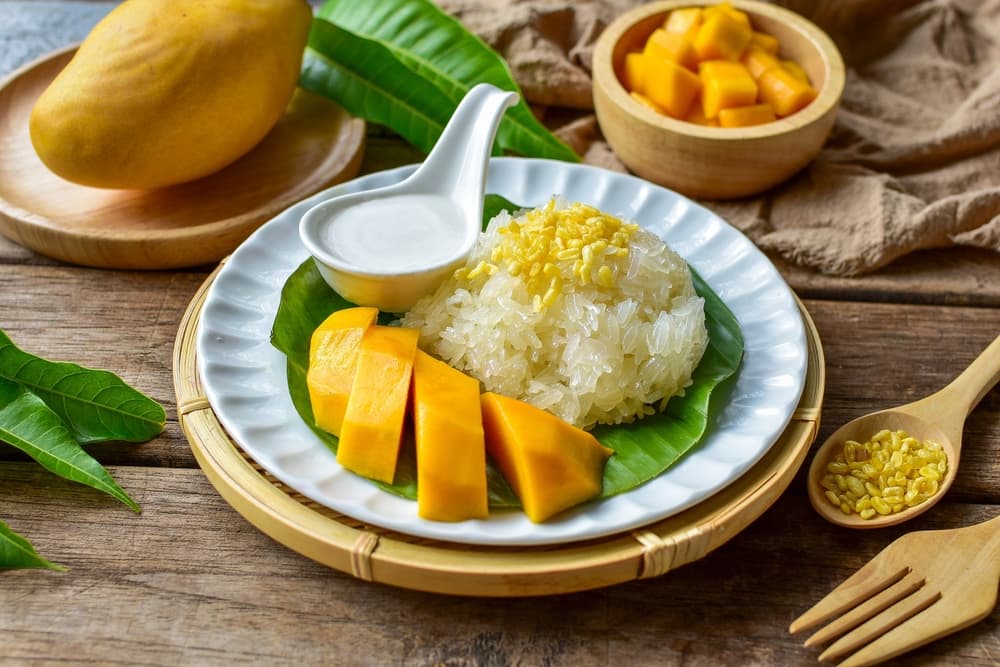
Thailand's most celebrated dessert pairs sweet sticky rice with coconut cream and fresh mango slices. This iconic combination reaches perfection during Thailand’s mango season from March to May, though quality versions appear year-round.
The magic lies in contrasting textures: chewy glutinous rice absorbs coconut cream while maintaining its bite, silky mango provides natural sweetness, and rich coconut milk ties everything together. Thai sticky rice’s glutinous properties create the signature chewiness that defines authentic versions.
At Ocean Rhyme, we steam our sticky rice with coconut milk using traditional methods, then serve it with freshly sliced mango and additional coconut cream drizzled on top. The result: a dish our guests come back for.
Bua Loy (Floating Lotus)
These colorful rice flour dumplings float in sweetened coconut milk like lotus petals on pond water, earning their poetic name. Traditional versions feature natural colors from taro root (purple), pumpkin (orange), and pandan leaves (green), creating rainbow bowls that taste as beautiful as they look.
The dumplings themselves provide gentle chewiness while absorbing the coconut milk's richness. Served warm, this dessert offers comfort similar to rice pudding but with a distinctly Thai flavor and presentation.
Our version at Ocean Rhyme pays homage to the traditional style - it’s comfort food that perfectly wraps up a meal.
One of the most popular Thai desserts, street vendors across Thailand serve these crispy fritters made from Thai bananas dipped in batter. A quick hot oil bath creates a golden, crunchy shell around a soft, caramelized banana interior that’s simply divine. Thai bananas work better than Western varieties because their firmer and less watery makeup maintains its structure during frying.
At Ocean Rhyme, we fry our banana fritters to order, ensuring the golden-brown exterior stays crispy while the banana inside reaches perfect tenderness. Served hot, they provide the ideal balance of textures that defines great Thai street food.
Coconut Ice Cream
Made with rich coconut milk, the base of Thai coconut ice cream provides creamy richness while toppings like crushed peanuts, sweet corn kernels, and sticky rice add textural surprises. These unconventional additions work because they complement coconut's natural sweetness while providing crunch and chewiness that keeps each spoonful interesting.
Our house-made version at Ocean Rhyme features authentic coconut ice cream with your choice of traditional local toppings. It's the cooling finish every Thai meal deserves.
Black Sticky Rice with Longan
Black sticky rice develops its distinctive purple-black color and nutty flavors naturally, requiring no artificial coloring while providing an earthier taste than its white counterpart. Paired with sweet longan fruit, the combination balances the rice's robust flavor with tropical fruit sweetness.
At Ocean Rhyme, we prepare traditional black sticky rice s, then pair it with fresh longan fruit for an authentic regional specialty that showcases the Thai palate’s penchant for diverse tastes.
The Art of Thai Dessert Balance
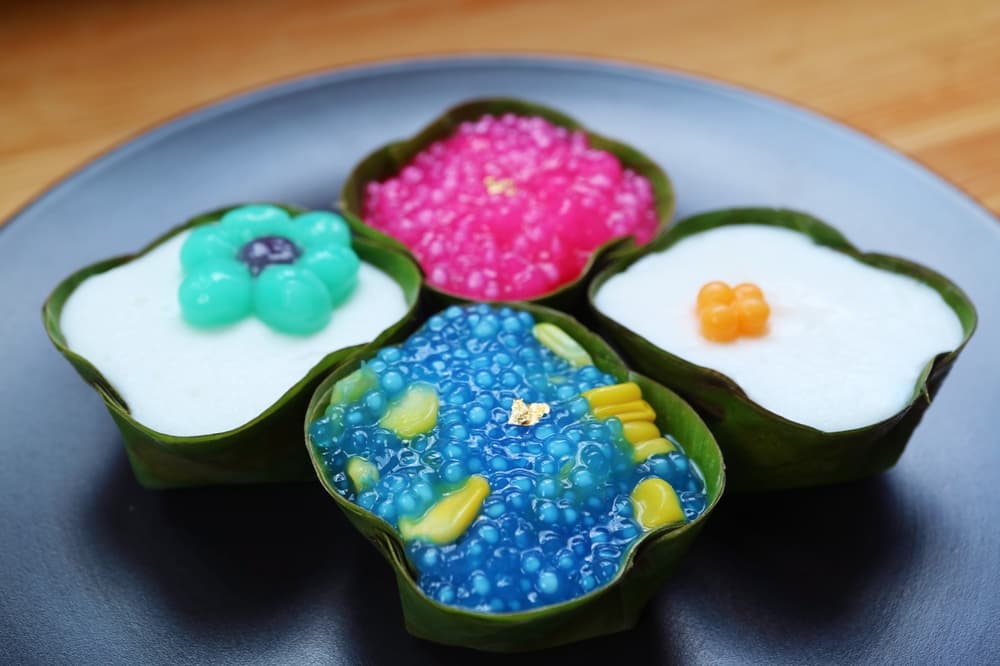
Popular Thai sweets succeed because they avoid Western desserts' singular focus on sweetness. Instead, they incorporate subtle saltiness from coconut cream, gentle sourness from tropical fruits, and varied textures that keep palates engaged.
Coconut milk is the most typical foundation for most traditional recipes, providing richness and depth while allowing other flavors to shine. With coconuts so naturally prevalent across the country, they are the perfect base ingredient to connect all regional sweets under Thailand's dessert umbrella.
Sharing these desserts is the final ingredient towards authenticity; Thai culture emphasizes communal dining where multiple desserts are ordered, allowing diners to explore different flavor profiles and enjoy the experience together.
Experience Popular Thai Sweet at Ocean Rhyme
Since 1986, Ocean Rhyme has maintained authentic preparation methods that honor traditional Thai dessert techniques. Our chefs follow traditional recipes passed down through generations, ensuring every dessert reflects genuine Thai culinary heritage and gives guests a sense of comfort with each bite.
Explore Thailand's sweetest traditions by sampling our dessert menu at our Thai restaurant in Phuket and discover why these tasty desserts remain essential parts of authentic Thai dining experiences.
Frequently Asked Questions
Q: When is the best time of year to try mango sticky rice in Thailand?
A: Mango season in Thailand runs from March to May, which is when you'll find the sweetest, most flavorful mangoes for this dish. That said, quality versions are available year-round at restaurants like Ocean Rhyme that source carefully throughout the seasons.
Q: Are Thai desserts suitable for people with dairy allergies?
A: Many traditional Thai desserts are naturally dairy-free since they rely on coconut milk rather than cow's milk or cream. Dishes like mango sticky rice, Bua Loy, and coconut ice cream are all made with coconut-based ingredients, making them a great option for those avoiding dairy. Always confirm with your server if you have specific allergies.
Q: Why do Thai desserts use glutinous rice instead of regular rice?
A: Glutinous rice (also called sticky rice) has a higher starch content that gives it a signature chewy, slightly stretchy texture when cooked. This chewiness is essential in Thai desserts like mango sticky rice and black sticky rice, as it absorbs coconut milk beautifully while maintaining its structure.
Q: Are Thai desserts very high in sugar compared to Western sweets?
A: Generally, Thai desserts tend to be less intensely sweet than many Western counterparts. They rely on the natural sweetness of coconut milk, fresh fruits, and palm sugar rather than refined white sugar, and they balance that sweetness with salty and sour elements to create a more nuanced flavor profile.
Q: What is the proper way to eat Thai desserts at a restaurant?
A: In Thai dining culture, desserts are meant to be shared communally rather than ordered individually. It's common to order two or three different desserts for the table so everyone can sample different flavors and textures. This communal approach is considered the most authentic way to enjoy the experience.
You might also like
Master Authentic Thai Green Curry Recipe Like A Pro
Learn this authentic Thai green curry recipe from scratch. Master traditional techniques or join Ocean Rhyme's cooking class in Phuket today!
LEARN MORE

มารยาทบนโต๊ะอาหารที่ทุกคนควรรู้
มารยาทในการรับประทานอาหารเป็นสิ่งสำคัญ ไม่ว่าชาติใดก็มักจะมีเอกลักษณ์และขนบธรรมเนียมในการปฏิบัติเฉพาะตัว รวมทั้งประเทศไทยของเราด้วย ดังนั้นเราจึงควรฝึกมารยาทในการรับประทานอาหารให้ถูกต้องและเป็นที่ยอมรับของสังคม
LEARN MORE
Your Guide to Cocktails That Pair With Seafood Dishes
The right cocktail makes fresh seafood taste even better. Discover the best drinks that go with seafood and enjoy them at Ocean Rhyme in Phuket, Thailand.
LEARN MORE
Best Fresh Markets in Phuket and Cooking Class Experience
Visit the best fresh markets in Phuket and try your hand at cooking traditional Thai dishes at Ocean Rhyme’s cooking school.
LEARN MORE
Try These Popular Thai Sweets at Ocean Rhyme
Experience popular Thai sweets at Ocean Rhyme like traditional mango sticky rice, coconut ice cream, and many more.
LEARN MORE
Why Thai Food is Popular Around the World
Unique flavors, fresh ingredients, and diversity like no other are some reasons why Thai food is popular around the world. Learn how Thai food has grown!
LEARN MORE
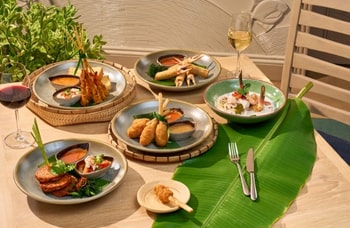
The Secret to Authentic Thai Food in Phuket Revealed
It's the ingredients. Authentic Thai food in Phuket uses fresh Andaman seafood, local herbs, coconut and more. Ocean Rhyme reveals 10 key ingredients.
LEARN MORE
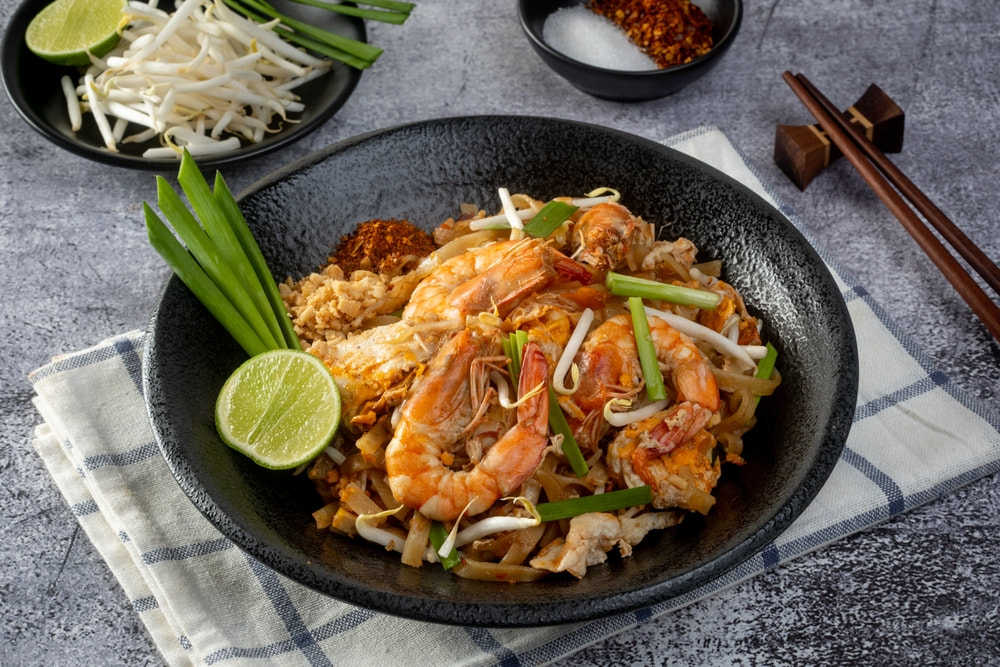
Your Guide to Thai Noodle Dishes & What to Try Next
From Pad Thai to boat noodles and Khao Soi, there are many Thai noodle dishes worth knowing before your next meal. See our full guide here!
LEARN MORE

สมุนไพรผักพื้นบ้านและผลไม้ยอดนิยม ที่มักพบในอาหารไทย!
พืชสมุนไพรต่างๆของไทยนั้น ตั้งแต่โบราณก็เป็นที่ทราบกันดีอยู่แล้วว่า มีคุณค่าทางยามากมาย ซึ่งในอาหารไทยที่เรารับประทานกันในชีวิตประจำวัน ล้วนก็ประกอบไปด้วยสมุนไพรนานาชนิด เป็นวัตถุดิบผสมอยู่ด้วยทั้งสิ้น
LEARN MORE
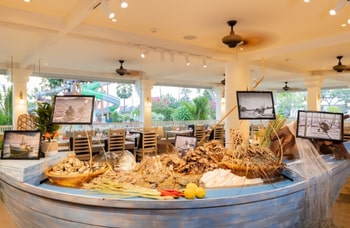
Reasons Why You Should Try Phuket Seafood
Incredible freshness, variety, and an authentic Thai experience are just some reasons why you should try Phuket seafood. Learn more with Ocean Rhyme!
LEARN MORE

Group Dining in Phuket: Tips for Picking A Spot & Where
Looking for a group-dining restaurant in Phuket? Learn about what makes a restaurant truly group-friendly and a Karon Beach spot that delivers.
LEARN MORE
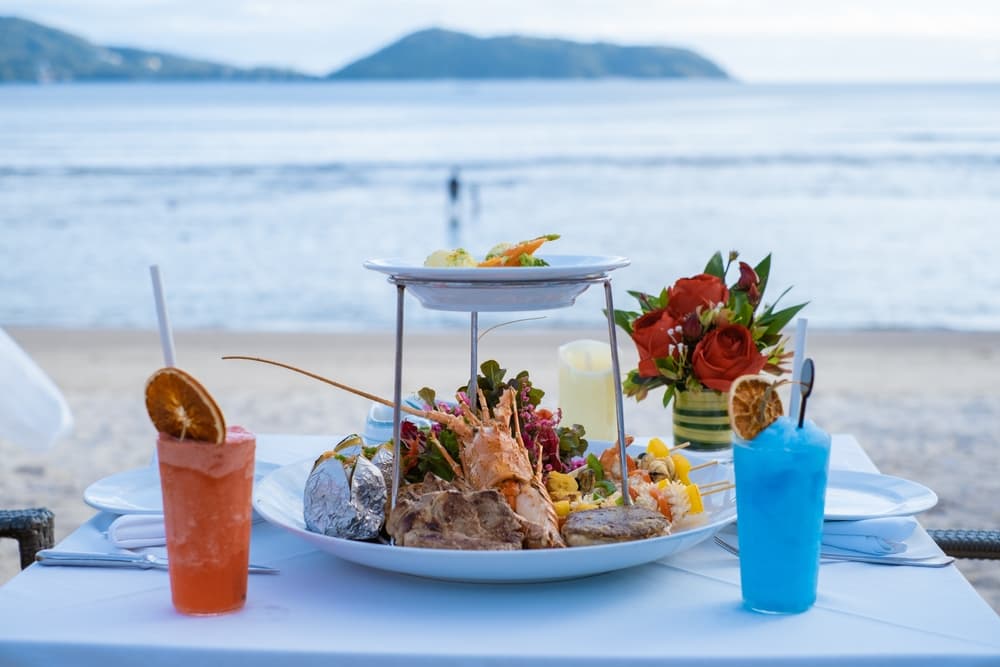
Beachfront Restaurants vs City Restaurants in Phuket
Comparing beachfront restaurants vs city restaurants in Phuket? Here's why seaside dining delivers an experience that inland eateries simply can't match
LEARN MORE
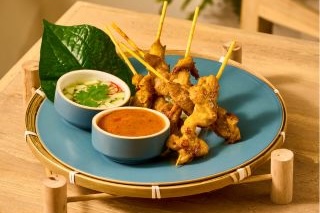
Not Sure What to Order? Try Thai Dishes for Picky Eaters
Plenty of Thai dishes are mild, familiar, and easy to love. Learn which Thai food options work best for picky eaters before your next meal out.
LEARN MORE
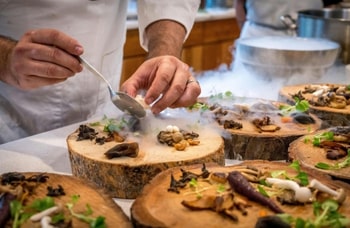
What Does Chef's Table Mean? Discover This Unique Experience
Learn what does chef's table mean and experience it firsthand at Ocean Rhyme Phuket. VIP market tour, 8 courses, and Chef O's culinary mastery.
LEARN MORE

What to Do in Phuket’s Rainy Season: Activities, Spas & More
Phuket’s rainy season still has plenty to offer, from spas and indoor activities to fresh seafood dining. Discover the best ways to spend a rainy day.
LEARN MORE

A Complete Guide to a Romantic Dinner in Phuket
Looking for a romantic candlelight dinner in Phuket? Learn how to plan the perfect evening with sunset timing, venue selection, and personalized touches.
LEARN MORE

สุดยอดเมนู "กุ้งแม่น้ำ" ที่หลายๆคนชื่นชอบ
กุ้งแม่น้ำ ถือได้ว่าเป็นเมนูที่ได้รับความนิยมเป็นอย่างมากสำหรับคนไทยและคนต่างชาติ ซึ่งสามารถนำมาประกอบอาหารได้หลากหลายเมนู วันนี้เลยนำสูตรวิธีการทำง่ายๆ สามารถทำทานเองได้ที่บ้าน มาฝากผู้อ่านกัน
LEARN MORE

Karon Viewpoint: The Three-Beach Panorama in Phuket
Karon viewpoint in Phuket is one of the south's best free stops. See three beaches at once and make the most of your visit with this guide.
LEARN MORE
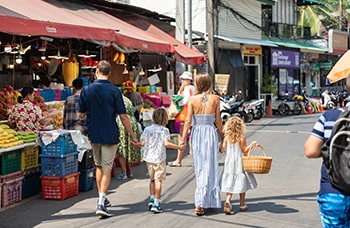
Explore Fresh Seafood Markets in Phuket and Dine Local
Explore the top seafood markets in Phuket, then enjoy fresh catches and refined beachside dining at Ocean Rhyme.
LEARN MORE
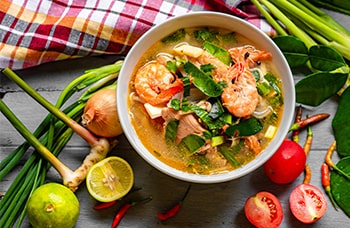
How to Make Tom Yum Kung Like a Thai Chef
Learn how to make tom yum kung from expert Thai chefs when you attend a cooking class at Ocean Rhyme.
LEARN MORE

A Guide to the Phuket Vegetarian Festival & Its Traditions
Celebrate Phuket Vegetarian Festival with sacred rituals and vegan street food, and savor Thai flavors at Ocean Rhyme on Karon Beach.
LEARN MORE
Best Time To Visit Phuket For The Ultimate Seafood Experience
Planning your trip? Learn about the seafood season in Phuket and how to enjoy premium catches and perfect weather for the ultimate dining experience.
LEARN MORE
How to Choose a Seafood Restaurant in Phuket
What makes a great seafood restaurant? Find out how to choose a seafood restaurant in Phuket, and why Ocean Rhyme on Karon Beach is a local favorite.
LEARN MORE

“ข้าวซอย” อาหารไทยท้องถิ่นของภาคเหนือ
ข้าวซอยเป็นอาหารพื้นบ้านของทางภาคเหนือ เชื่อกันว่าหากใครไปเที่ยวเชียงใหม่แล้วไม่ได้ขึ้นดอยสุเทพ หรือไม่ได้กินข้าวซอยก็เหมือนไปไม่ถึงเชียงใหม่ วันนี้หากใครอยากกินข้าวซอยไม่ต้องไปถึงเชียงใหม่แล้ว เพราะเราได้นำสูตรและวิธีการทำข้าวซอยมาให้ทุกคนได้ทดลองทำกัน
LEARN MORE

4 Thai Dishes To Avoid if You’re Dieting
Given that the vast majority of Thai people seem to have very slim and slight figures, the assumption would naturally be that Thai food is extremely healthy. Here are some of the worst offenders - the dishes to avoid ordering in a Phuket Thai restaurant if you’re trying to lose weight.
LEARN MORE
Seafood Buffet vs À La Carte: Which Phuket Dining is Best?
Comparing seafood buffet vs à la carte in Phuket? Learn which dining style suits your appetite, group, and occasion. Find your perfect match here.
LEARN MORE
Why Seafood Buffets are Popular in Phuket
Discover why seafood buffets are popular in Phuket, from fresh catches to Thai culinary tradition, and experience it firsthand at Ocean Rhyme
LEARN MORE

Things to Do in Phuket with Kids for Every Age
Looking for things to do in Phuket with kids? From waterparks to temples and a top Phuket restaurant on Karon Beach, here is your complete family guide.
LEARN MORE
Best Local Food To Try In Phuket: 6 Amazing Dishes
Dive into authentic Phuket local dishes shaped by Chinese, Malay & Thai influences. Discover 6 must-try flavors at Ocean Rhyme with ocean views.
LEARN MORE