
Your Guide to Thai Noodle Dishes & What to Try Next


Key Takeaway:
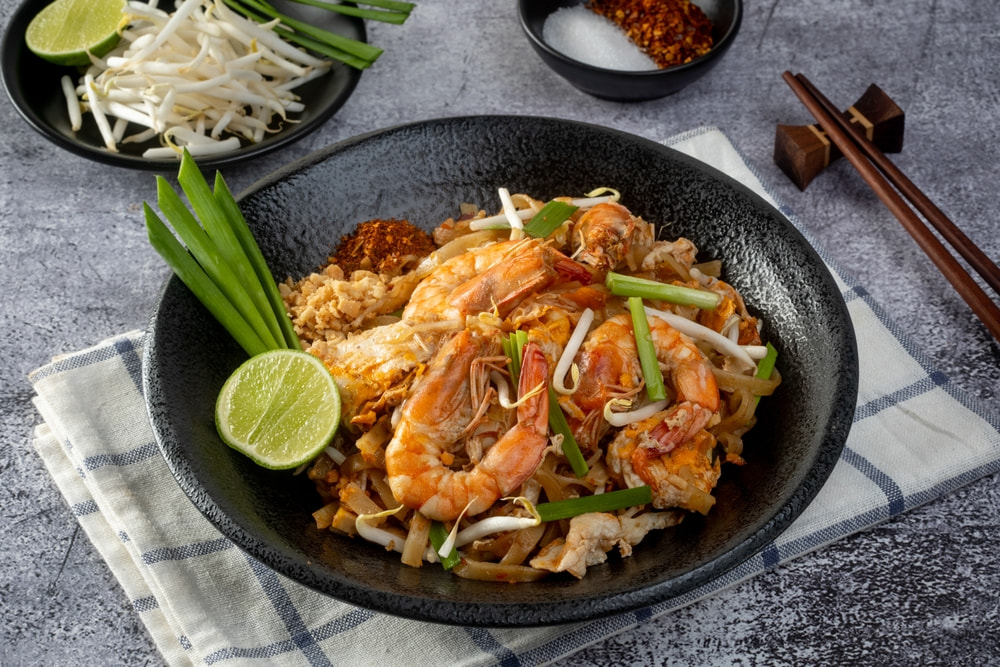
Thailand’s noodle culture goes far beyond Pad Thai. From smoky stir-fries like Pad See Ew and Drunken Noodles to rich broths like boat noodles and Yen Ta Fo, there are Thai noodle dishes for every palate and spice tolerance. Noodles arrived in Thailand through Chinese trade centuries ago and have since become a cornerstone of Thai street food and restaurant menus alike. Knowing the main noodle types, the difference between soup and dry versions, and how to navigate spice levels makes ordering easier and a lot more rewarding. For those visiting Phuket, restaurants like Ocean Rhyme offer a menu rooted in Royal Thai cooking and Andaman seafood that brings these flavors together in one place.
Table of Contents
• Your Guide to Thai Noodle Dishes & What to Try Next
• A brief history of Thai noodles
• Stir-fried Thai noodle dishes
• Thai noodle soups
• Coconut and curry noodles
• A first-timer’s guide to ordering Thai noodles
• Experience authentic Thai food in Phuket at Ocean Rhyme
• FAQs
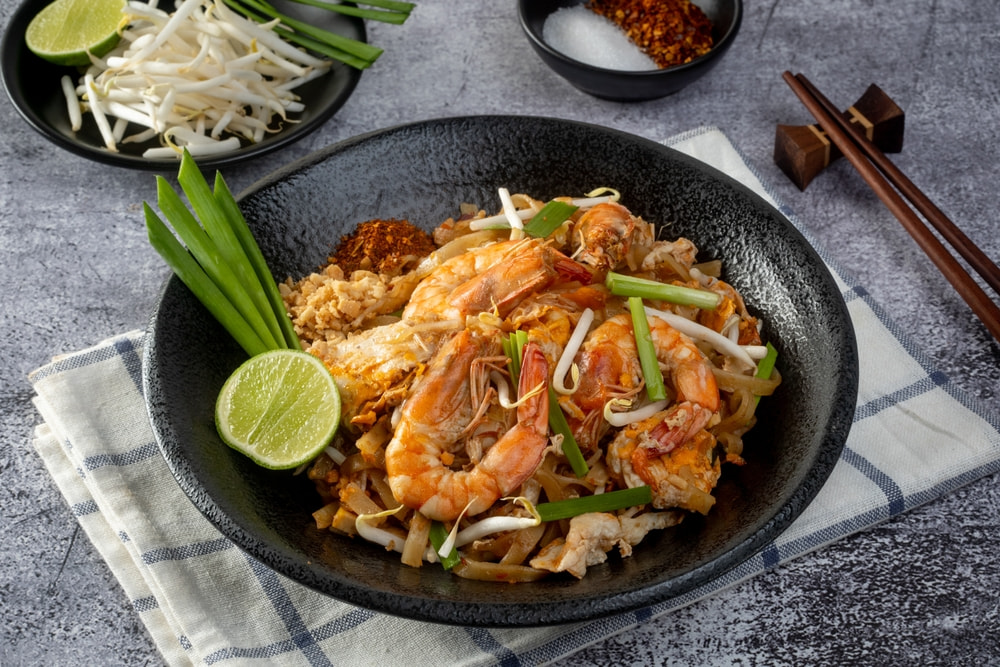
Pad Thai is the most recognized Thai noodle dish among most visitors. The widespread availability, approachability, and delightful taste of Pad Thai make it make sense. This, though, is just the gateway to a noodle culture that is far more intricate than it appears, shaped by Chinese, Mon, and regional Thai flavors.
From smoky wok-fried plates to rich herbal broths and coconut curries, Thailand’s noodle variety can be a real surprise with how broad it is. In this guide, we’ll dive into the essential Thai noodle dishes you should know so you can order with confidence the next time you sit down.
A brief history of Thai noodles
Noodles aren’t originally native to Thai cuisine. Rice was the dominant starch for centuries, and noodle cooking arrived through Chinese merchants during the Ayutthaya period (17th–18th centuries). As cities grew, it was then that noodles proved practical, as they were fast, affordable, and well-suited to the emerging street food culture.
That said, the ever-popular favorite Pad Thai has a surprisingly political backstory. After the 1932 revolution ended absolute monarchy, Prime Minister Phibunsongkhram promoted noodles as a national dish in the late 1930s to conserve rice during wartime shortages and build national identity. The government distributed recipes, equipped vendors with carts, and the rest is history.
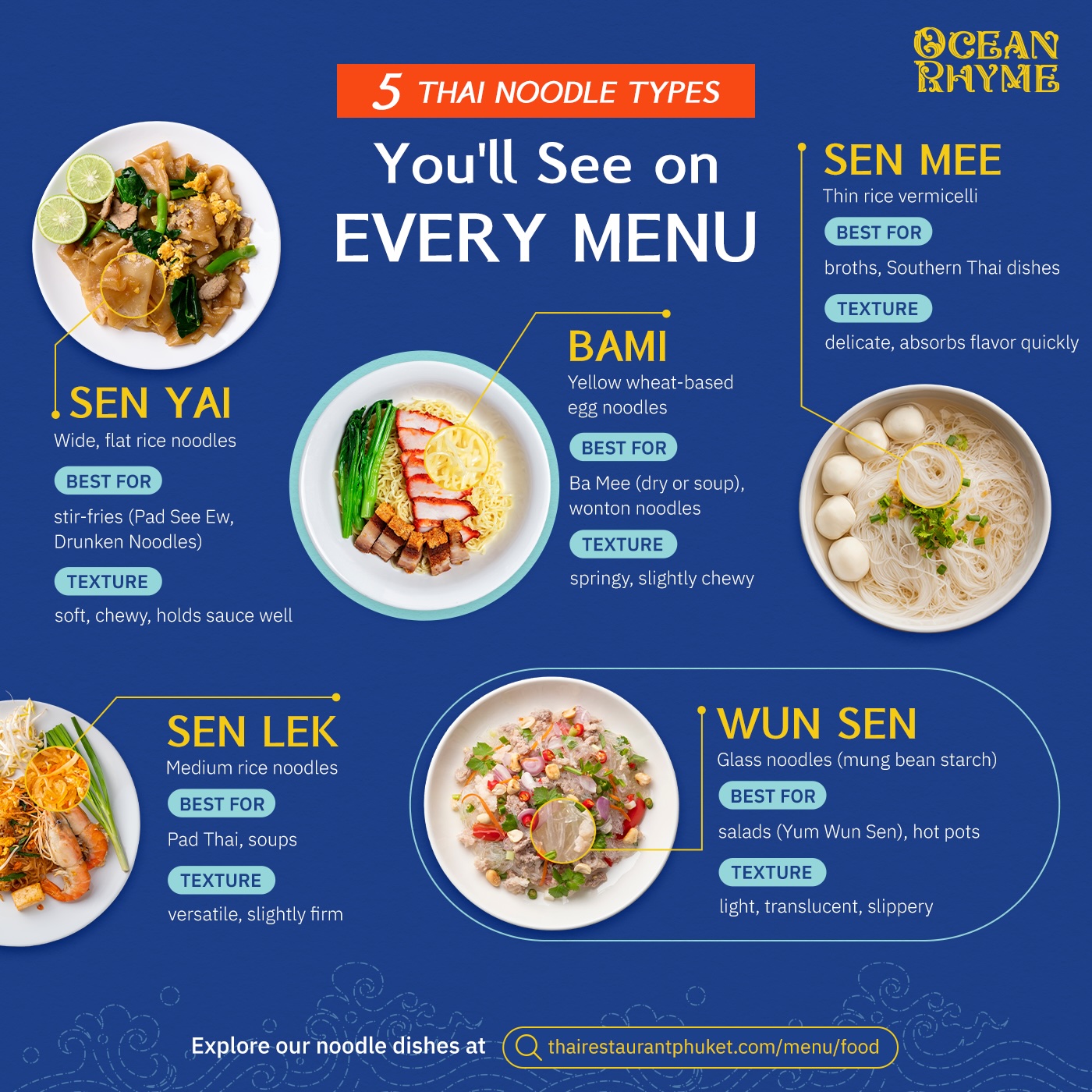
Today, there are five main noodle types you’ll see on Thai menus:
• Sen yai – wide, flat rice noodles, ideal for stir-fries
• Sen lek – medium rice noodles, versatile in soups and stir-fries
• Sen mee – thin rice vermicelli, great for absorbing broths
• Bami – yellow wheat-based egg noodles with a slightly chewy texture
• Wun sen – glass noodles made from mung bean starch, light and translucent
Stir-fried Thai noodle dishes
Many people start (and enjoy) stir-fried noodles for the simple fact that they’re quick, flavorful, and satisfying without too much heat.
Pad Thai
The one everyone knows. Pad Thai is made with sen lek noodles stir-fried with tamarind sauce, egg, bean sprouts, peanuts, and usually shrimp or chicken. It’s mildly sweet-sour, very accessible, and still a genuine classic worth ordering.
Fun fact: while it is Thailand’s national dish, Pad Thai is actually more popular internationally than with the locals, but you can still easily find great versions across the country.
Pad See Ew
Wide sen yai noodles wok-fried with dark soy sauce, egg, and Chinese broccoli (kai lan), Pad See Ew is smokier and more savory than Pad Thai, with less sweetness. It’s a great next step if you want something with a deeper, more charred flavor.
Pad Kee Mao (Drunken Noodles)
Pad Kee Mao has a similar base to Pad See Ew, but with chili, garlic, and holy basil that push the heat up. It is often prepared with mixed seafood or chicken, and despite being called Drunken Noodles, it does not contain alcohol, as the name is widely believed to come from its popularity as late-night food after a night out.
Thai noodle soups
Beyond stir-fried varieties, there are Thai noodle soups that are layered, comforting, and often the dishes that locals eat daily.
Kuaytiaw (classic noodle soup)
The catch-all noodle soup that’s simple yet satisfying. You pick your noodle type, choose a broth (clear pork/chicken or tom yum-style), and add protein. Offal and meatballs are standard at most stalls.
Kuaytiaw Ruea (boat noodles)
Kuaytiaw Ruea stands out among Thai noodle dishes for its deep flavor. It is made with an intensely flavored dark broth with beef or pork, morning glory, and meatballs. It is also traditionally served in small bowls (which lends to its name), so the move is to order several rather than one big serving.
Yen Ta Fo
Recognizable by its pink-colored broth from fermented red bean curd, Yen Ta Fo is served with fish balls, squid, fried tofu, and morning glory in a mildly sweet-savory soup. It looks more adventurous than it tastes, and most people end up pleasantly surprised.
Ba Mee
Yellow egg noodles served dry or in broth, topped with roast red pork and wontons. Ba Mee is Chinese-influenced, widely available, and reliably crowd-pleasing, making it a solid option when you want something familiar done well.
Coconut and curry noodles
These dishes sit at the intersection of noodles and curry, and they’re some of the most satisfying bowls in Thailand.
Khao Soi
Northern Thailand’s signature bowl, Khao Soi is egg noodles in a rich coconut curry broth, topped with crispy fried noodles, served with lime, pickled mustard greens, and shallots. The dish has Yunnanese origins, brought south by caravan traders. Khao Soi is a northern specialty, so the most authentic versions are in Chiang Mai rather than the south.
Khanom Chin
Soft rice noodles served alongside curries rather than in broth. This dish is common in Southern Thailand, typically paired with kaeng tai pla (fermented fish curry) or milder coconut fish sauces. If you’re in Phuket, this is the regional noodle dish to look for, and a great window into Southern Thai cooking.
A first-timer’s guide to ordering Thai noodles
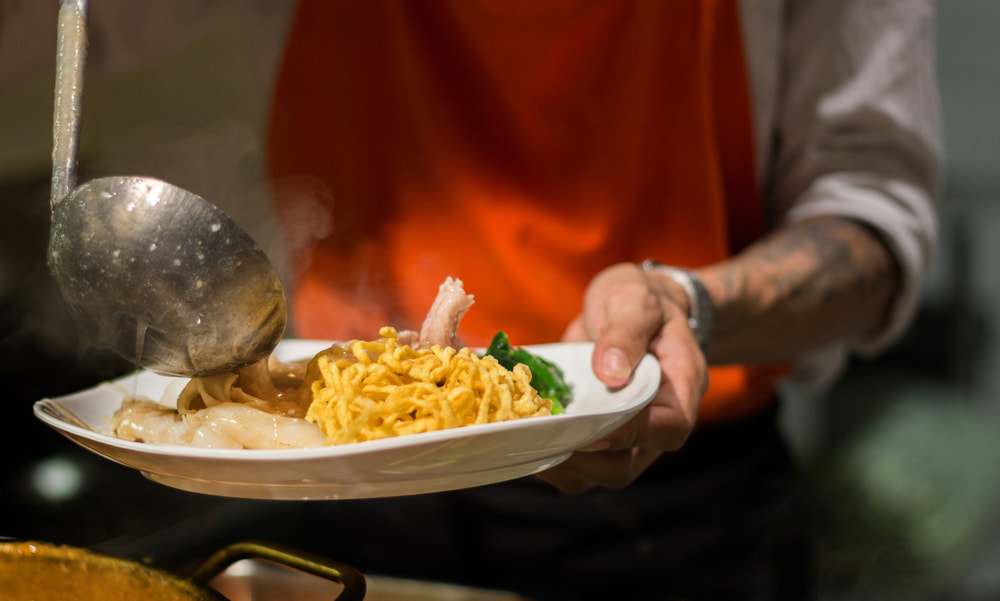
Ordering noodles in Thailand is straightforward once you know a few basics. First, most Thai noodle dishes have their own level of spice, but they are adjustable almost everywhere, and saying "pet noi" (a little spicy) goes a long way. Many dishes also come in nam (soup) and haeng (dry/tossed) versions, so it’s worth asking.
A rough guide to approaching the right noodles for you:
• Starting mild: Pad Thai, Pad See Ew, Ba Mee, Yen Ta Fo, Khao Soi
• Ready for more: Pad Kee Mao, Kuaytiaw Tom Yum, boat noodles
• For the adventurous: Khanom Chin with kaeng tai pla, Kuay Jap (rolled rice noodles in peppery pork broth)
Restaurants tend to offer more variety and can accommodate adjustments. In comparison, street stalls usually specialize in one or two dishes done extremely well. Both have their appeal, and you can’t go wrong with either.
Experience authentic Thai food in Phuket at Ocean Rhyme
If you love Thai cuisine, Thai noodle dishes are sure to sate any craving you have! But don’t stop there, as noodles are just a gateway into a much wider culinary tradition. There is also Royal Thai cuisine, Southern Thai seafood, and other regional dishes that make eating in Thailand so rewarding, especially when you dine at the right place.
Ocean Rhyme has been serving authentic Thai food in Phuket since 1986, with a menu rooted in Royal Thai cooking (Chao Wang) and fresh Andaman seafood. We offer special noodle dishes such as Soft Crab Pad Thai with homemade sauce and Phuket Vermicelli Noodles with Pork Rib Soup, alongside curries, seafood, and Royal Thai specialties that are second to none.
Dine in with us for quality, authentic Thai food in Phuket today! We’re located at Karon Beach inside Thavorn Palm Beach Resort, and we take pride in serving you only the best of Thai cuisine. We also take bookings to bring you peace of mind in dining.
Frequently Asked Questions About Thai Noodle Dishes
Q1: Are Thai noodle dishes spicy?
A: It depends on the dish. Pad Thai, Pad See Ew, and Ba Mee are mild and approachable, while Pad Kee Mao (Drunken Noodles) and boat noodles bring more heat. Most kitchens in Thailand adjust spice levels on request. Saying "pet noi" (a little spicy) is a useful phrase if you want flavor without the full kick.
Q2: Do Thai noodle dishes vary by region?
A: Yes, and noticeably so. Northern Thailand is known for Khao Soi, a coconut curry noodle bowl with Yunnanese roots. The south leans toward Khanom Chin served with local curries like kaeng tai pla.
Central Thailand is where you'll find the most Pad Thai and stir-fried noodle stalls, while Bangkok is the hub for boat noodles. Each region puts its own spin on broths, spice levels, and noodle types.
Q3: Which Thai noodle dish is the healthiest?
A: Noodle soups like Kuaytiaw with a clear broth tend to be lighter, especially with sen mee (thin vermicelli) and lean protein. Yen Ta Fo is another good option since it's loaded with tofu, fish balls, and vegetables in a relatively light broth. Stir-fried dishes like Pad Thai and Pad See Ew carry more oil and sugar by comparison, though portion control and going easy on the peanut garnish helps.